Summary:
Menu Accommodations for Kosher, Halal, and Vegetarian Wedding Guests
Food isn’t just sustenance at your wedding—it’s how you show respect for your guests’ beliefs and traditions. Yet many venues treat dietary restrictions as an afterthought, offering bland alternatives that leave your loved ones feeling forgotten.
The reality hits when your Muslim relatives can’t eat the main course or your kosher-observant family members sit hungry during dinner. These aren’t minor inconveniences—they’re moments that can overshadow your entire celebration.
How Professional Kitchens Handle Religious Dietary Requirements
True halal and kosher preparation goes far beyond avoiding pork and shellfish. It requires dedicated equipment, certified ingredients, and kitchen staff who understand the spiritual significance behind these guidelines.
At Soundview Caterers, our culinary team works with certified suppliers to ensure halal meats meet Islamic dietary laws. For kosher requirements, we coordinate with rabbinical supervision when needed, understanding that some guests require meals prepared in certified kitchens rather than just kosher-style ingredients.
The difference shows up in details most venues miss. Separate serving utensils for different dietary needs. Clear labeling so guests know exactly what they’re eating. Staff trained to answer questions about ingredients and preparation methods without making anyone feel like they’re causing trouble.
Vegetarian guests often get overlooked too, receiving uninspired pasta dishes while everyone else enjoys carefully crafted entrees. We create vegetarian options that stand as complete meals—think herb-crusted portobello with seasonal vegetables or butternut squash risotto with truffle oil.
Your guests notice when their dietary needs are handled with care versus obligation. They remember feeling included rather than accommodated. That distinction transforms your wedding from an event people attend into a celebration they treasure.
Creating Inclusive Menu Options That Satisfy Every Guest
True halal and kosher preparation goes far beyond avoiding pork and shellfish. It requires dedicated equipment, certified ingredients, and kitchen staff who understand the spiritual significance behind these guidelines.
At Soundview Caterers, our culinary team works with certified suppliers to ensure halal meats meet Islamic dietary laws. For kosher requirements, we coordinate with rabbinical supervision when needed, understanding that some guests require meals prepared in certified kitchens rather than just kosher-style ingredients.
The difference shows up in details most venues miss. Separate serving utensils for different dietary needs. Clear labeling so guests know exactly what they’re eating. Staff trained to answer questions about ingredients and preparation methods without making anyone feel like they’re causing trouble.
Vegetarian guests often get overlooked too, receiving uninspired pasta dishes while everyone else enjoys carefully crafted entrees. We create vegetarian options that stand as complete meals—think herb-crusted portobello with seasonal vegetables or butternut squash risotto with truffle oil.
Your guests notice when their dietary needs are handled with care versus obligation. They remember feeling included rather than accommodated. That distinction transforms your wedding from an event people attend into a celebration they treasure.
Ceremony Logistics for Baraat Processions and Cultural Traditions
Traditional ceremonies require more than just space—they need venues that understand the flow, timing, and significance of cultural rituals. A baraat procession isn’t simply guests walking to the ceremony; it’s a celebration that sets the tone for your entire wedding day.
Most venues panic when they hear “horse procession” or “live drummers.” We embrace the joy these traditions bring to your celebration.
Space Planning for Traditional Wedding Processions and Ceremonies
Baraat ceremonies need arrival areas that accommodate celebration, not just parking. The groom’s procession requires space for family, friends, musicians, and sometimes horses or decorated cars. We plan these logistics months in advance.
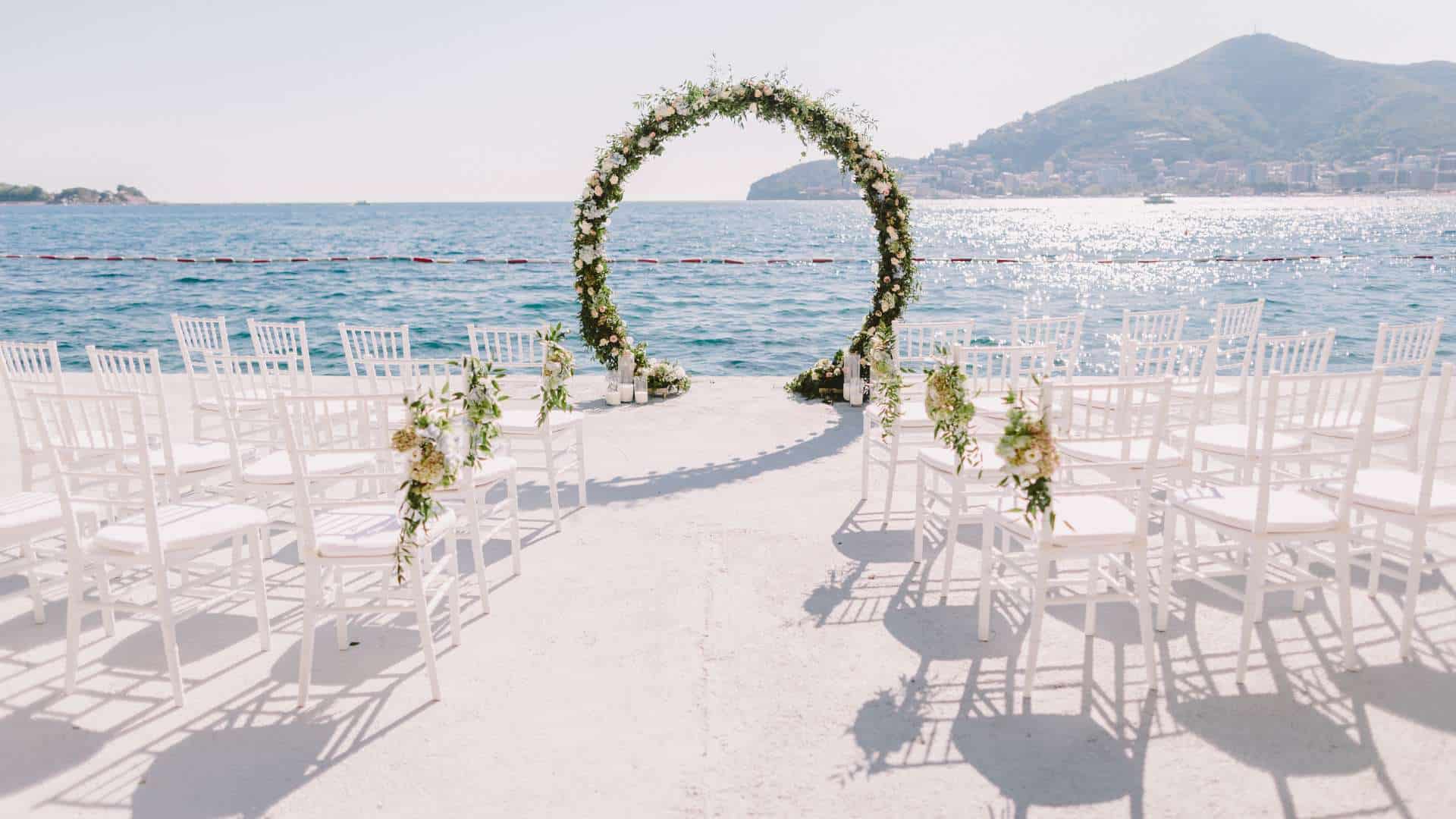
Our waterfront location provides natural staging areas for traditional processions. The outdoor ceremony space accommodates mandap setups, chuppah installations, or tea ceremony arrangements without feeling cramped. Indoor backup options ensure weather doesn’t derail cultural traditions.
Consider the practical elements most couples overlook. Where do musicians set up during the baraat? How do elderly relatives participate in processions? What happens to decorative elements after the ceremony? We coordinate these details seamlessly.
Tisch gatherings require different space considerations. These intimate pre-ceremony celebrations need rooms that encourage mingling while maintaining the sacred nature of the tradition. We provide spaces that feel separate from the main reception while remaining easily accessible.
Photography matters too. Cultural ceremonies create once-in-a-lifetime moments that deserve proper documentation. We offer photographers clear sightlines and movement opportunities without disrupting the ceremony’s flow.
Coordinating Multiple Cultural Ceremonies in One Celebration
Multicultural weddings often blend ceremonies from different traditions, creating unique celebrations that honor both families’ heritage. This requires venues that understand timing, logistics, and the emotional significance of each ritual.
Tea ceremonies might precede Christian vows, followed by Hindu traditions and ending with Jewish celebrations. Each element needs appropriate space, timing, and coordination. Amateur venues struggle with these transitions, leaving gaps that disrupt your celebration’s flow.
Our coordination team creates detailed timelines that respect each tradition’s requirements. We understand when ceremonies can overlap and when they need distinct separation. We coordinate outfit changes, family positioning, and ritual elements without making anyone feel rushed.
The challenge intensifies with guest education. Many attendees might experience certain traditions for the first time. We provide subtle guidance—printed programs explaining ceremonies, staff who can answer questions, and transitions that help guests understand what’s happening.
Music coordination becomes crucial too. Traditional drummers for baraat processions, string quartets for Christian ceremonies, and reception DJs all need seamless transitions. We coordinate these elements so your celebration flows naturally from tradition to tradition.
Your multicultural wedding should feel cohesive, not chaotic. When venues understand cultural significance rather than just logistics, they create celebrations that honor every tradition while feeling unified and joyful.
Finding Your Perfect Multicultural Wedding Venue For Nassau County
Your wedding deserves more than accommodation—it deserves celebration of every tradition that makes your love story unique. The right venue doesn’t just host multicultural ceremonies; it embraces them with expertise, respect, and genuine enthusiasm.
When you find a venue that understands the significance of your cultural traditions, planning transforms from stressful coordination into joyful anticipation. Every detail falls into place because the team truly comprehends what matters most to your families.
Soundview Caterers has spent years perfecting multicultural celebrations, creating space where every tradition finds its home. Your heritage becomes the foundation for an unforgettable celebration that honors the past while celebrating your future together.